All wards/Ward 10

City Council · Ward 10

Spadina-Fort York

8
Candidates registered
29
Days until polls open
Mon, Oct 26
Election day

Five decisions facing the next council

Should Toronto permit substantially more housing as-of-right in every ward, including areas currently dominated by detached and semi-detached homes?

3 of 8 candidates responded

  • Ian Cunningham
    Yes

    Toronto needs substantially more housing to address high housing costs.. Growth should be paired with high-quality design that complements neighbourhood character and aligns with available services and infrastructure capacity.

  • Andi Hoàng-Lefranc
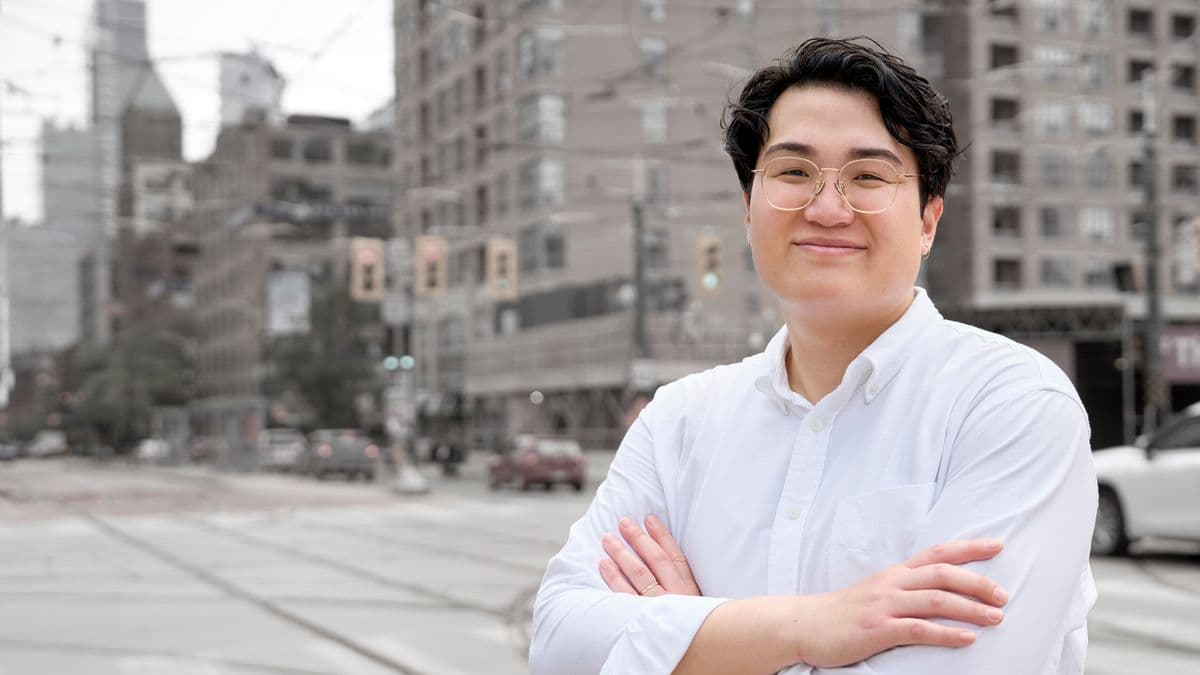
    Andi Hoàng-Lefranc
    Yes

    As Toronto continues to grow and expand, residents have been forced into living arrangements and accommodations that do not reflect how the land is currently zoned as. Permitting more housing as-of-right in every ward will give the City a better understanding of its residents housing needs.

  • Paul Nash
    Yes

    I’ll speed up the approvals process for constructing more mid-rise buildings and purpose-built rental homes for mixed incomes, and multiplexes.

When a person living in a park has been offered an available indoor space that meets their accessibility, safety and household needs, should the city require them to leave the encampment?

3 of 8 candidates responded

  • Ian Cunningham
    Yes

    The city should approach encampments with compassion, recognizing that people living outside are there because other options have failed them. Where appropriate indoor shelter or housing exists, it should be paired with real support and consistent outreach, not just a one-time notice.

  • Andi Hoàng-Lefranc
    Andi Hoàng-Lefranc
    No

    In addition to accessibility, safety and household needs, the City must also consider the unique social needs of our houseless residents. Strict requirements to leave an encampment, without consideration of homeless residents' social support needs will only result in further housing instability.

  • Paul Nash
    Yes

    Our priority should be permanent affordable housing solutions instead of temporary shelters

Should Toronto introduce road-pricing measures, such as congestion charges or tolls, if the revenue is dedicated to transportation improvements?

3 of 8 candidates responded

  • Ian Cunningham
    No

    Congestion charges and tolls place added costs on residents before viable alternatives exist. The priority should be improving transit and transportation options first.

  • Andi Hoàng-Lefranc
    Andi Hoàng-Lefranc
    Yes

    Introducing road-pricing measures should only be one tool in the City's bid to reduce overall congestion. Applying the revenue generated from these measures towards transportation improvements, such as better roads and upgraded signal prioritisation, will improve how residents navigate our city.

  • Paul Nash
    No

    congestion tolls only alleviate growing gridlock if you have an alternative public transit system that properly functions, which Toronto does not have.

Should Toronto raise additional local revenue to address its infrastructure repair backlog rather than defer maintenance while seeking funding from other governments?

3 of 8 candidates responded

  • Ian Cunningham
    No

    The city needs to find new ways to address infrastructure needs. Deferring maintenance is not acceptable for a municipality growing as fast as Toronto.

  • Andi Hoàng-Lefranc
    Andi Hoàng-Lefranc
    Yes

    In our political & economic climate, Toronto must look into independent local revenue sources as productive collaboration between different levels of government cannot be guaranteed. Residents and other civic bodies are being asked to do more with less, the City of Toronto should do the same.

  • Paul Nash
    No

    High property taxes are already being wasted on things like FIFA tickets and airport expansions to increase profits for private airline businesses.

Should Toronto publish project-level budgets, schedules and performance updates for all major capital projects?

3 of 8 candidates responded

  • Ian Cunningham
    Yes

    Rebuilding trust in the City's ability to deliver major projects requires transparency and accountability. Residents deserve clear, accessible information on project budgets, timelines, performance, and results.

  • Andi Hoàng-Lefranc
    Andi Hoàng-Lefranc
    Yes

    Torontonians deserve transparency on how their tax dollars are being utilised, especially when concerning major capital projects. Disclosing project-level budgets, schedules, and performance updates to the public is a good start towards strengthening the relationship between residents and Council.

  • Paul Nash
    Yes

    Toronto should also publish Project failure standards to define when a project is officially unsuccessful by measuring shortfalls in budget, time, scope, or value.

Public safety and public space

Which approach should receive the greatest additional investment to improve public safety?

3 of 8 candidates responded

  • Ian Cunningham
    Mental-health response, addiction treatment and youth intervention

    Toronto is facing a growing crisis of addiction, mental illness, and homelessness. Greater investment in treatment, crisis response, and prevention services can improve public safety while helping people get the support they need.

  • Andi Hoàng-Lefranc
    Andi Hoàng-Lefranc
    Mental-health response, addiction treatment and youth intervention

    To improve public safety, the City must address the root social causes that contribute to the rise of mental-health crises, addiction rates, & youth violence. Stronger enforcement in response to public safety that ignores these causes will only lead to short-term public safety improvements.

  • Paul Nash
    Mental-health response, addiction treatment and youth intervention

    We need more thoughtful integration of essential services into vulnerable neighborhoods in ways proven to reduce crime and increase public safety.

Over the next council term, the Toronto Police Service budget should:

3 of 8 candidates responded

  • Ian Cunningham
    Remain approximately constant after inflation

    Policing is one part of a broader public safety strategy. The city should maintain police funding in real terms while also investing in community services that address the root causes of crime and disorder.

  • Andi Hoàng-Lefranc
    Andi Hoàng-Lefranc
    Decrease after inflation, with some responsibilities and funding transferred to civilian services

    The TPS are currently tasked with multiple non-policing duties which make it difficult for the TPS to fulfil their mandate. By delegating these extraneous duties to other city bodies and services, it will better allow police to focus on their role as a civic partner in maintaining public safety.

  • Paul Nash
    Increase above inflation to expand police staffing or services

    The cost of policing the millions of visitors who come to Toronto every year from other areas of the Province could be uploaded to the Provincial government, allowing the City to increase TPS funding.

How should Toronto govern automated licence-plate readers and similar surveillance technology used on public streets?

3 of 8 candidates responded

  • Ian Cunningham
    Establish citywide limits on access, retention, auditing and data sharing

    Residents deserve both safe streets and strong privacy protections. I support the use of these technologies only under clear rules, robust oversight, limited data retention, and regular public reporting.

  • Andi Hoàng-Lefranc
    Andi Hoàng-Lefranc
    Restrict their use to narrowly authorized investigations

    The broad use of surveillance technology upon the general public should be limited as much as possible. Residents' right to privacy is paramount in a society where malicious actors seek to take advantage of a person's private details for nefarious purposes, such as identify fraud and stalking.

  • Paul Nash
    Restrict their use to narrowly authorized investigations

    All Canadian privacy laws must be rigorously adhered to, and the Canadian Charter of Rights and Freedoms must be completely respected.

Transit and transportation

What should receive the greatest share of the next available transit funding?

3 of 8 candidates responded

  • Ian Cunningham
    More frequent and reliable service on existing routes

    The best transit investment is better service. More frequent, reliable buses, streetcars, and subways will improve daily commutes for existing riders and encourage more people to choose transit.

  • Andi Hoàng-Lefranc
    Andi Hoàng-Lefranc
    Vehicles, stations, signals and other state-of-good-repair work

    Clean and working public transit infrastructure is a critical requirement to improve transit service reliability. Without functional vehicles, accessible stations, or an intelligent signal prioritisation system, providing more reliable transit service is not possible.

  • Paul Nash
    More frequent and reliable service on existing routes

    Building new, expensive lines to accommodate a new luxury condo on the eastern waterfront or a Taylor Swift concert 5 years ago isn’t the answer to our public transit problems. We need the existing system to function the way it was intended.

When there is not enough street space for every use, which should generally receive priority?

3 of 8 candidates responded

  • Ian Cunningham
    Transit, walking and cycling

    Ward 10 is one of the busiest parts of Toronto. When street space is limited, priority should go to the transportation options that move the most people and best serve those who live, work, and visit here.

  • Andi Hoàng-Lefranc
    Andi Hoàng-Lefranc
    Transit, walking and cycling

    In order for Toronto to function, residents must be able to navigate around the City easily and efficiently. By prioritising moving the most amount of people as safely as possible, this will relieve traffic congestion while allowing people to fulfil their social, professional, & commercial needs.

  • Paul Nash
    Transit, walking and cycling

    Streets are meant for safe and efficient transit, and our priority should be delivering timely improvements to traffic infrastructure and reducing road and lane closures.

Housing and growth

If Toronto could make one major housing intervention this term, which should receive the greatest emphasis?

3 of 8 candidates responded

  • Ian Cunningham
    Build or finance substantially more affordable and supportive housing

    Public delivery should be the priority. Expanding affordable and supportive housing is essential to addressing homelessness and housing insecurity. At the same time, the city must reduce delays and barriers that slow the delivery of all housing types.

  • Andi Hoàng-Lefranc
    Andi Hoàng-Lefranc
    Build or finance substantially more affordable and supportive housing

    There are many non-profit housing providers & community land trusts who have not been able to access needed funds to support the housing requirements of their communities. City Council must better fund Toronto's Multi-Unit Residential Acquisition (MURA) program to better partner with such groups.

  • Paul Nash
    Build or finance substantially more affordable and supportive housing

    Delivering more affordable, non-market, and rent-controlled housing is essential to stabilize the city.

What should be Toronto's primary role in delivering affordable and supportive housing?

3 of 8 candidates responded

  • Ian Cunningham
    Supply land, funding and incentives to non-profit and private providers

    The best results come from partnership. Toronto should use its land, funding, and policy tools to support non-profit and private providers in delivering more affordable and supportive housing where it is needed most.

  • Andi Hoàng-Lefranc
    Andi Hoàng-Lefranc
    Supply land, funding and incentives to non-profit and private providers

    Non-profit housing providers & community land trusts best understand the unique housing needs of the communities they serve. By partnering with them, the City can best ensure that any new affordable & supportive housing is actually able to meet the everyday needs of its residents.

  • Paul Nash
    Supply land, funding and incentives to non-profit and private providers

    Toronto should not primarily act as a regulator of affordable housing; rather, it needs to balance regulation with active supply creation, land utilization, and financial partnerships.

Where should Toronto permit the greatest increase in housing density?

3 of 8 candidates responded

  • Ian Cunningham
    Concentrate growth on major streets and near rapid transit

    Toronto needs more housing across the city, but the greatest increase in density should be along transit routes and major corridors. This helps align growth with infrastructure, mobility, and access to jobs and services.

  • Andi Hoàng-Lefranc
    Andi Hoàng-Lefranc
    Permit more apartments and multiplexes in nearly every neighbourhood

    Lack of housing is an issue that affects the entire city, not just one specific neighbourhood. As the City's transit network continues to expand and Toronto becomes increasingly interconnected, increasing the City's overall housing supply will best take advantage of this interconnectivity.

  • Paul Nash
    Permit more apartments and multiplexes in nearly every neighbourhood

    Toronto should permit the greatest increase in housing density across stable, low-density residential neighborhoods, major transit station areas, and underutilized public lands.

City government and service delivery

Which change would you implement to reduce the cost of building housing in Toronto?

3 of 8 candidates responded

  • Ian Cunningham
    Expand as-of-right zoning and automate routine permits

    Streamlining approvals can reduce housing costs, but growth must be supported by schools, parks, transit, and other community services. New housing should fit thoughtfully within the character of surrounding neighbourhoods.

  • Andi Hoàng-Lefranc
    Andi Hoàng-Lefranc
    Expand as-of-right zoning and automate routine permits

    The slow pace of the city's administrative process is routinely mentioned by tenants, architects, and developers as the primary issue in delivering affordable housing. Expanding as-of-right zoning & automating routine permits will address this issue directly while reducing administrative costs.

  • Paul Nash
    Reduce development charges, parkland payments and related levies

    We need to make fees and taxes on new mid-rise and multiplex homes in existing neighbourhoods much lower.

What is the most important change Toronto should make to reduce capital-project delays and cost overruns?

3 of 8 candidates responded

  • Ian Cunningham
    Strengthen professional project management, procurement and contracting

    Lack of internal capacity is a major barrier to successful project delivery. Toronto should strengthen project management, contracting, and procurement practices to improve performance and reduce cost overruns.

  • Andi Hoàng-Lefranc
    Andi Hoàng-Lefranc
    Strengthen professional project management, procurement and contracting

    Major infrastructure projects often face delays and cost overruns due to a lack of actual fiscal oversight and transparency as to how resources are used. Strengthening professional project management, procurement, and contracting is integral to ensuring projects are delivered on time and on budget.

  • Paul Nash
    Strengthen professional project management, procurement and contracting

    It is critical for the City to improve oversight of project management, procurement and contracting at every level.

Which service-delivery model should Toronto use more often?

3 of 8 candidates responded

  • Ian Cunningham
    Expand permanent city staff and internal operational capacity

    Lack of internal capacity is a major challenge. Expanding the city's ability to plan, manage, and deliver projects in-house can improve oversight, build institutional knowledge, and achieve better outcomes for residents.

  • Andi Hoàng-Lefranc
    Andi Hoàng-Lefranc
    Expand permanent city staff and internal operational capacity

    While private parties can provide good service value, it doesn't mean it's the most cost-effective way to deliver city services. The focus of a business is to provide services while generating profit whereas the role of a city is to deliver city services within a budget provided by its residents.

  • Paul Nash
    Expand permanent city staff and internal operational capacity

    The key consideration in choosing a delivery model should always be best value, which may differ from service to service.

Taxes, spending and fiscal sustainability

Over the next council term, residential property-tax revenues should generally:

3 of 8 candidates responded

  • Ian Cunningham
    Grow approximately with inflation and population

    The city must have the resources to deliver core services and maintain infrastructure. Tax revenues should grow with inflation and population, while respecting affordability for residents and businesses.

  • Andi Hoàng-Lefranc
    Andi Hoàng-Lefranc
    Grow approximately with inflation and population

    In our uncertain economic climate, the City can best support its residents by offering stable and predictable governance. By indexing residential property-taxes to inflation and population growth, residents are better able to manage their financial futures as economic and political challenges arise.

  • Paul Nash
    Grow approximately with inflation and population

    Property taxes should not increase above the rate of inflation.

Which type of additional revenue should Toronto rely on most heavily?

3 of 8 candidates responded

  • Ian Cunningham
    Property taxes or new municipal income or sales taxes, if authorized

    Toronto needs stable, predictable revenue sources to plan responsibly and maintain services. Broad recurring revenues provide a stronger foundation for long-term budgeting than relying heavily on one-time or cyclical sources.

  • Andi Hoàng-Lefranc
    Andi Hoàng-Lefranc
    Congestion charges, tolls, parking levies and service fees

    The City must find a way to collaborate with individuals & private groups who rely heavily on Toronto's road network for their transportation needs. User and road charges can be part of this collaboration, only if the revenue is invested towards improving the city's road and traffic infrastructure.

  • Paul Nash
    Land-transfer taxes, development charges and taxes on real-estate activity

    Additional revenue can also be generated by cutting out current waste and inefficiencies

What should Toronto do first to address its infrastructure repair backlog?

3 of 8 candidates responded

  • Ian Cunningham
    Redirect money from new facilities and projects toward existing assets

    This is not an either-or choice. Toronto should secure dedicated funding for infrastructure repairs while prioritizing the maintenance of existing assets before taking on significant new expansion projects.

  • Andi Hoàng-Lefranc
    Andi Hoàng-Lefranc
    Introduce a levy or other recurring source reserved for maintenance

    Public infrastructure repair and maintenance cannot be addressed as an ad-hoc issue. Having a dedicated revenue source to address the city's infrastructure repair backlog as soon as possible, will allow us to avoid more costly future infrastructure repairs that could have been avoided.

  • Paul Nash
    Redirect money from new facilities and projects toward existing assets

    Existing assets must be made to function properly as intended before new assets are contemplated.

Governance and representation

What should be Toronto's primary approach to the provincial government?

3 of 8 candidates responded

  • Ian Cunningham
    Plan budgets and services on the assumption that substantial new provincial support will not arrive

    A successful city cannot rely on other governments to solve every challenge. Toronto should focus on sound budgeting, responsible spending, and building the capacity to meet its own needs.

  • Andi Hoàng-Lefranc
    Andi Hoàng-Lefranc
    Plan budgets and services on the assumption that substantial new provincial support will not arrive

    In our current political climate, productive collaboration between municipal and provincial governments is not guaranteed. In consideration of this political reality, Toronto must be better prepared to independently deliver municipal services, regardless of whether provincial support is provided.

  • Paul Nash
    Align with provincial priorities where doing so secures funding or approvals

    Municipal-Provincial partnerships can be highly effective if managed properly.

Strong mayor powers should be used mainly for:

3 of 8 candidates responded

  • Ian Cunningham
    appointing and removing senior staff, restructuring departments

    Councillors are elected to advocate for their communities and should retain a meaningful voice in policy decisions. Strong mayor powers are best reserved for administration, staffing and organizational management.

  • Andi Hoàng-Lefranc
    Andi Hoàng-Lefranc
    overriding council on zoning and approvals to get homes built

    The use of strong mayor powers must be limited to the scope of their purpose which is to encourage collaboration on shared priorities between the municipal and provincial governments. As Toronto faces a housing crisis, the use of such powers to encourage housing development should be considered.

  • Paul Nash
    the powers should sit unused regardless of who holds them

    these powers undermine local democracy, create council divisions, and have shown little effectiveness in achieving their aims.

Your ward and your record

Which objective should receive the greatest attention in your ward during the next council term?

3 of 8 candidates responded

  • Ian Cunningham
    Transit, roads, parks, waste collection and local infrastructure

    Residents expect the city to deliver on the essentials first. In Ward 10, common concerns are transportation, congestion, infrastructure maintenance, cleanliness and service reliability. Getting the basics right should be the priority.

  • Andi Hoàng-Lefranc
    Andi Hoàng-Lefranc
    Enforcement, public-space management and responses to disorder

    Spadina-Fort York is more than just a neighbourhood where people live. The ward is also host to large scale sporting & entertainment events and major conferences. This requires improved people and public space management so that residents and visitors are able to feel safe and welcomed in the ward.

  • Paul Nash
    Transit, roads, parks, waste collection and local infrastructure

    Ward 10's core services, including those intended to increase public safety, have declined substantially in the past 4 years. We need to get back on track.

Which single result should voters use to assess your performance at the end of the term?

3 of 8 candidates responded

  • Ian Cunningham
    Safer, cleaner and better-maintained streets and public spaces

    The best measure of success is whether everyday life has improved. Residents should see cleaner, safer and better-maintained neighbourhoods, more support for people struggling with addiction, and visible progress on the issues they encounter every day.

  • Andi Hoàng-Lefranc
    Andi Hoàng-Lefranc
    Safer, cleaner and better-maintained streets and public spaces

    There is no one metric that can be used to accurately assess a City Councillor's performance. Rather, at the end of the term residents should ask themselves whether their quality of life has improved from four years ago as a result of their councillor's actions and initiatives.

    If you selected “Ward commitment,” state one numerical target and a deadlineThere is no one metric that can be used to accurately assess a City Councillor's performance. Rather, at the end of the term residents should ask themselves whether their quality of life has improved from four years ago as a result of their councillor's actions and initiatives.
  • Paul Nash
    Improved fiscal sustainability and service performance

    My performance should be assessed on results in all the above-noted areas.

    If you selected “Ward commitment,” state one numerical target and a deadlineI'm committed to advocating for affordable housing, public safety, accessible public transit, and essential services like childcare and schools. I'll also support youth and ensure safer streets for pedestrians, cyclists and motorists.

Priorities and trade-offs

Over the next council term, Toronto should:

2 of 8 candidates responded

  • Andi Hoàng-Lefranc
    Andi Hoàng-Lefranc
    Finish approved projects but undertake few additional road reallocations
  • Paul Nash
    Remove or redesign lanes that fail defined safety, ridership or congestion standards

    Safety concerns ought to be addressed with new regulations, such as rigorous licensing standards and safer travel speeds, rather than wholesale infrastructure changes like the removal of all bike lanes.

Did not answer Ian Cunningham

When demonstrations substantially block transportation or access to essential institutions, the city should prioritize:

2 of 8 candidates responded

  • Andi Hoàng-Lefranc
    Andi Hoàng-Lefranc
    Keep major roads, transit, hospitals and essential facilities operating
  • Paul Nash
    Keep major roads, transit, hospitals and essential facilities operating

    I'll work to ensure a safe Toronto for ALL residents. The protests of one particular group must not be allowed to jeopardize the safety or well-being of other residents.

Did not answer Ian Cunningham

Where should Toronto direct its next major technology investment?

2 of 8 candidates responded

  • Andi Hoàng-Lefranc
    Andi Hoàng-Lefranc
    Public data and systems that measure outcomes and hold departments accountable
  • Paul Nash
    Public data and systems that measure outcomes and hold departments accountable

    The City must prioritize accountability for all departments.

Did not answer Ian Cunningham

When Toronto faces a structural operating-budget gap, what should it do first?

2 of 8 candidates responded

  • Andi Hoàng-Lefranc
    Andi Hoàng-Lefranc
    Reduce internal administration, staffing or contract costs
  • Paul Nash
    Reduce internal administration, staffing or contract costs

    It is critical that the City deliver on budget and be held accountable for doing so.

Did not answer Ian Cunningham

What is the most important municipal intervention for improving Toronto's business climate?

1 of 8 candidates responded

  • Andi Hoàng-Lefranc
    Andi Hoàng-Lefranc
    Expand housing, transportation, public safety and infrastructure

Did not answer Ian Cunningham · Paul Nash

How should Toronto attract major employers, investment and events?

2 of 8 candidates responded

  • Andi Hoàng-Lefranc
    Andi Hoàng-Lefranc
    Housing affordability, transportation, safety and quality of life
  • Paul Nash
    Housing affordability, transportation, safety and quality of life

    The City's priority should be citywide fundamentals. Strong fundamentals will attract more employers and investment.

Did not answer Ian Cunningham

What should Toronto prioritize to increase construction capacity?

2 of 8 candidates responded

  • Andi Hoàng-Lefranc
    Andi Hoàng-Lefranc
    Maintain a stable, long-term pipeline of public projects
  • Paul Nash
    Maintain a stable, long-term pipeline of public projects

    Toronto must prioritize expanding housing-enabling municipal infrastructure, streamlining multi-family and mid-rise zoning approvals.

Did not answer Ian Cunningham

What should receive the greatest priority in Toronto's public-realm budget?

1 of 8 candidates responded

  • Andi Hoàng-Lefranc
    Andi Hoàng-Lefranc
    Cleanliness, roads, sidewalks, snow clearing, washrooms and routine park care

Did not answer Ian Cunningham · Paul Nash

What should be Toronto's primary tool for supporting arts, culture and nightlife?

2 of 8 candidates responded

  • Andi Hoàng-Lefranc
    Andi Hoàng-Lefranc
    Grants, city facilities and affordable cultural space
  • Paul Nash
    Simpler permits, flexible operating rules and later hours

Did not answer Ian Cunningham

If autonomous taxi services operate in Toronto, which condition should the city prioritize?

2 of 8 candidates responded

  • Andi Hoàng-Lefranc
    Andi Hoàng-Lefranc
    Mandatory reporting on trips, collisions, congestion and curb use
  • Paul Nash
    Accessibility, geographic coverage and minimum service standards

    The City's role ought to be primarily a regulatory/supervisory one, ensuring safety and service standards.

Did not answer Ian Cunningham

Candidates are grouped by the answer they gave. Options nobody in this ward picked are not shown, and a candidate who answered in their own words sits on no option. Notes are the candidates’ own words. Candidates who have not returned the questionnaire are named at the top of this section.

How the whole city answered

Registered candidates from the City Clerk’s list, less anyone who has withdrawn. The field is not final until nominations close on Aug 21, 2026.

About this ward

IncumbentAusma MalikSeeking re-election

The downtown waterfront and the ward built on former rail and industrial land: Liberty Village, CityPlace, Fort York, the East Bayfront, St. Lawrence, the Toronto Islands, West Queen West and Trinity-Bellwoods. It grew 18 per cent between Censuses, the fastest in Toronto, and is now the most vertical ward in the city — 88 per cent of its homes are in buildings of five storeys or more and fewer than one in a hundred is single-detached. It also has the youngest median age, the highest share of degree holders and the highest average rent.

135,400
Population

+18.4% since 2016 · 2,761,285 citywide

10,570
Residents per km²

12.8 km² of land

$89,000
Median household income

$84,000 citywide

58.1%
Renter households

$1,988 average monthly rent · 48.1% citywide

43.7%
Renters spending 30%+ of income on housing

40.0% citywide

88.0%
Homes in buildings of five storeys or more

0.6% single-detached · 46.7% citywide

39.8%
Residents born outside Canada

46.6% citywide

14.1%
Residents in low income

Low-income measure, after tax · 13.2% citywide

Figures from the 2021 Census of Population, via the City of Toronto’s ward profiles.

Ward 09
Davenport
Ward 11
University-Rosedale